
Platform
Your agents. Your fleet. Independent checks.
OmniConflux brings your own fleet, independent agent verification, local context, voice, and Aura by OmniConflux into one agent platform.
Every agent checked by a rival vendor
Every task has a verifier from a different vendor. The agent and the verifier bring separate perspectives to the work. Verification is a check on the result, not a promise that every result is correct.
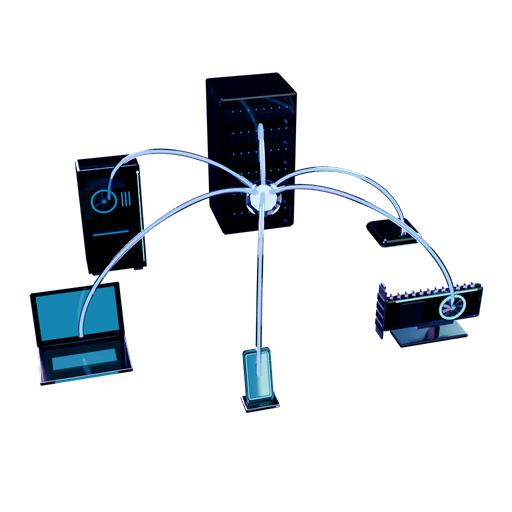
Your machines are the cloud
Pool your own machines into a fleet. Your computing resources form the foundation of the agent workspace.
Explore the fleet
Private by default
Local models and on-device context keep the platform centered on your machines. These are the starting principles for privacy.
Read the privacy principles
Talk to your fleet
OmniConflux takes a voice-first approach. Work with your agents through the fleet you own.
Explore voice
The platform that pays you
Aura by OmniConflux is the platform's ad network. Revenue share is announced at launch.
Learn about earningOpen by design
OmniConflux works with any vendor and never pigeonholes you. Here is exactly what that means, so nothing is left to the imagination.
| We say | What it means |
|---|---|
| OAuth 2.1 and OpenID Connect sign-in, no long-lived keys in your agents | Accounts and connectors use the Authorization Code flow with PKCE, exact redirect matching, header-bound tokens and refresh token rotation. Connectors publish a client metadata document, so you can see exactly who is asking for access. |
| Bring your own models: subscription, API key or local | Subscription: OmniConflux runs the vendor's own installed tool, such as Claude Code, Codex CLI or Gemini CLI, on your machine under your login. API key: your key, direct to the vendor. Local: Ollama or llama.cpp on your own hardware. |
| Any harness | Process-level control for any command-line agent. Deeper control, including state, handoff and approvals, for agents that speak MCP or ACP. Agents share work through git worktrees and files, not through a claim of perfect memory across vendors. |
| Cross-vendor verification | A verifier from a different vendor family checks each diff before it counts as done. |
| Private by default | Local models never send your work off the machine. |
Self-serve is the default. A managed fleet is talk to us, and runs on your API keys or enterprise tokens. Read why on the digital sovereignty page, and see the full list on the integrations page.
Start with the concepts
Read how the pieces fit together, or join the email update list for launch access. Free to start, plans announced at launch.
Questions
- Can I use my existing AI subscription?
- Yes, on your own machines. OmniConflux runs the vendor's own tool under your login, as the vendor allows. We do not run many cloud agents on one personal seat, pool personal accounts, or pass your seat login through a hosted backend.
- Does every agent work with zero setup?
- No, and we will not claim it. Any command-line agent runs at the process level. Agents that speak MCP or ACP get deeper control. Some agents need a short setup step.
- What is the difference between self-serve and managed?
- Self-serve is the default: your machines, your keys, your subscriptions on your own machines, and local models. A managed fleet is talk to us, and it always runs on your API keys or enterprise tokens, never on personal subscription seats.
All product names are trademarks of their owners.